TW11 parking and access removals tips for Teddington residents
If you are moving in Teddington, the awkward part is often not the lifting. It is the parking, the turning space, the narrow access, and the moment the van arrives exactly when a neighbour has left their car in the only sensible spot. That is where good TW11 parking and access removals tips for Teddington residents make a real difference. A calmer move usually starts with a better plan, not more muscle.
This guide pulls together the practical details that matter most in TW11: how to think about vehicle access, what to check before moving day, how to reduce delays, and how to make the whole process easier for everyone involved. It is written for real homes, real streets, and real schedules. Let's face it, no one wants a removal day that turns into a roadside puzzle.
Contents
- Why parking and access matter in TW11
- How removals access planning works
- Key benefits and practical advantages
- Who this is for and when it makes sense
- Step-by-step guidance
- Expert tips for better results
- Common mistakes to avoid
- Tools, resources and recommendations
- Law, compliance, standards and best practice
- Options, methods and comparison table
- Case study or real-world example
- Practical checklist
- Conclusion
- Frequently asked questions
Why TW11 parking and access removals tips for Teddington residents Matters
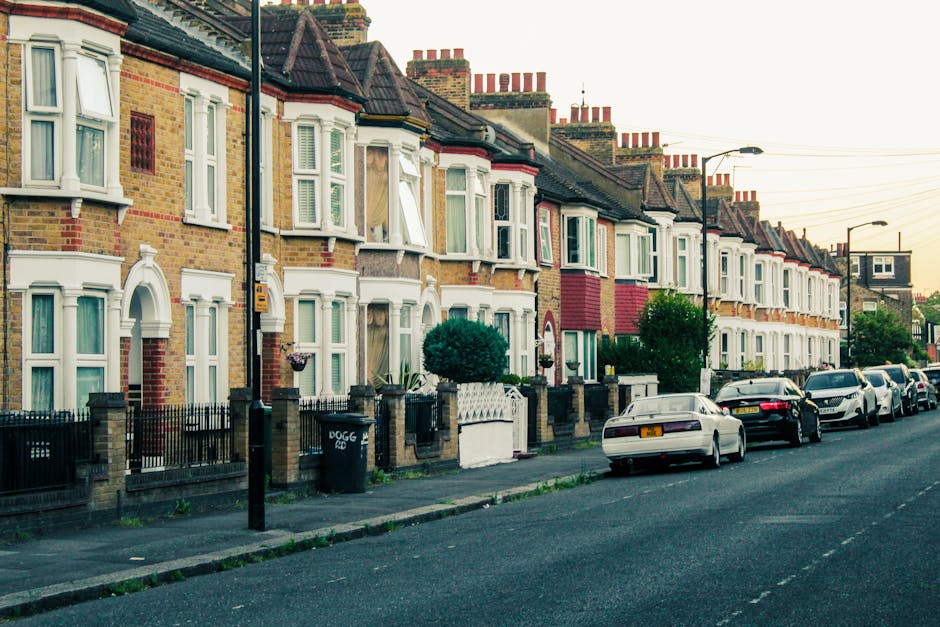
In Teddington, access can be the hidden variable that decides whether a move feels smooth or stressful. TW11 includes a mix of residential streets, terraces, flats, maisonettes, and roads where parking can be tight even on an ordinary Tuesday. Add a removals van, a sofa that does not like corners, and a few time pressures, and suddenly a simple move needs proper thought.
Why does this matter so much? Because parking and access issues can affect almost everything: loading time, labour costs, neighbour relations, and the chance of damage to furniture or property. If the van cannot get close enough, everything becomes slower. More carrying means more trips. More trips means more fatigue. And fatigue, frankly, is where little mistakes creep in.
There is also the human side. A blocked pavement, a van parked awkwardly, or a rushed unloading job can create friction with neighbours and passers-by. Good planning avoids that. It shows respect for the street as much as for the move itself.
For residents booking a local move, it helps to work with a team that understands removals planning, vehicle positioning, and the realities of busy local access. Services like man with van, removal services, and house removals are often a better fit when the move needs flexibility rather than a huge rigid setup.
Expert summary: in TW11, the best removals days are usually the ones where parking, loading distance, lift access, and timing have all been checked before the van arrives. Small details. Big difference.
How TW11 parking and access removals tips for Teddington residents Works
Think of the move as a chain. If one link is weak, the whole thing slows down. Parking and access planning is about removing friction before it appears.
In practice, that usually means checking four things:
- Where the vehicle can stop safely without causing obstruction.
- How far items must be carried from the property to the vehicle.
- What obstacles are present, such as steps, gates, low branches, tight corners, or shared entrances.
- How long the loading and unloading may take once the van is in position.
A good removals operator will ask questions about these details early. They may want to know whether there is off-street parking, whether the property is on a narrow road, whether there is a lift, and whether large items need extra handling. That conversation is not fussing. It is professional planning.
For example, a ground-floor flat with a decent driveway may allow a straightforward loading process. A first-floor flat on a road with limited parking may need a much more careful approach, possibly including a shorter vehicle, timed arrival, or extra hands. Same postcode, very different job.
It is also worth thinking about what the van itself needs. A moving vehicle has to be able to reverse, turn, and stand without creating problems for other road users. If the street is especially tight, a smaller vehicle or a moving van may be easier than a larger truck. In some cases, removal van options are simply the more practical choice.
Key Benefits and Practical Advantages
Better access planning is not just about avoiding trouble. It gives you advantages that show up in the final result.
- Less wasted time because the vehicle can get as close as possible.
- Lower handling risk since furniture is moved fewer times and over shorter distances.
- More predictable costs if the job does not run long because of poor access.
- Reduced stress for you, the crew, and anyone living nearby.
- Cleaner, tidier moving day flow with fewer stop-start interruptions.
There is another benefit people often forget: better access can protect your belongings. Long carries increase the chance of scuffs, knocks, and dropped items. A sofa sliding through a narrow hallway three times is much more likely to suffer than one that moves from room to van with a sensible route. Obvious, perhaps. But easy to overlook when you are busy.
Good planning also makes a difference to larger or more awkward jobs such as family home moves, office relocations, or properties with bulky furniture. If you are dealing with a mix of boxes, white goods, and heavier items, using movers who understand access constraints can be worth every penny. For bigger jobs, home moves and office removals often require more detailed planning than people expect.
Who This Is For and When It Makes Sense
These tips matter to a wide range of Teddington residents, but especially to people in situations where parking is not straightforward or time is tight.
You will find this particularly useful if you are:
- moving from a flat with shared or limited parking;
- moving into a road with narrower bays or awkward turning space;
- handling a family move with several bulky items;
- arranging a last-minute move and need the day to stay efficient;
- coordinating a move where neighbours, permit areas, or shared access points could create delays;
- booking a smaller-scale move and want the route from door to van to be as short as possible.
It is also relevant if you are moving furniture only. A one-off item can still become a headache if the access is poor. A wardrobe does not care how neatly you planned your week. It still needs a clear path. In those situations, furniture pick up or a flexible man and van service may make more sense than booking a larger removal setup.
If you are unsure whether your move needs a full removal team or a smaller vehicle-based job, it helps to compare the property layout, the amount of furniture, and the local parking picture before deciding.
Step-by-Step Guidance
Here is a practical way to plan parking and access for a TW11 move without overcomplicating it.
1. Walk the route from the property to the street
Do a proper walk-through. Not just a glance from the front door. Check the hallway, stairs, any shared entrance, the pavement, and the road edge. Measure mentally where the awkward bits are. Is there a tight bend? A low step? A gate that only opens half way? These details matter more than people think.
2. Identify the best loading point
Look for the closest safe stopping point for the vehicle. The best spot is not always directly outside the door. Sometimes a slightly wider section of road is better because it allows quicker loading and safer manoeuvring.
3. Decide what needs extra handling
Large mirrors, wardrobes, pianos, beds, and appliances may need more than one person or specialist handling. Separate them early in your planning. If something is awkward, label it mentally as a priority item, not an afterthought.
4. Share access details with your removals provider
Be clear about parking limits, height restrictions, gate widths, parking bays, permit areas, and anything that could slow the vehicle. The more accurate you are, the better the crew can prepare. A good provider will use that information to choose the right vehicle and staffing level.
5. Prepare the property before the van arrives
Boxes ready. Pathway clear. Keys easy to find. Parking sorted if possible. If the front room is still full of loose items at arrival time, the crew will spend the first part of the job doing sorting rather than moving. That is avoidable.
6. Build in a bit of breathing room
Traffic, weather, and waiting for a parking spot can all add delay. Don't cram the schedule so tightly that a ten-minute hold-up throws the rest of the day. Give yourself margin. Honestly, it is one of the most underrated moving-day luxuries.
7. Keep neighbours in mind
If the move may affect shared access or a quiet street, a little advance notice helps. No one enjoys being surprised by a van reversing, a door propped open, and three people carrying a sofa past their recycling bins. A courteous heads-up can make the day feel much calmer.
Expert Tips for Better Results
These are the small practical habits that tend to separate a manageable move from a messy one.
- Use a smaller vehicle if the street is tight. A slightly smaller van can save a great deal of time and awkward reversing.
- Keep the best route clear. Hallways, stairs, and shared entrances should be free of shoes, bikes, prams, and loose clutter.
- Disassemble what you can in advance. Flat-pack furniture, bed frames, and table legs usually travel better when broken down first.
- Protect floors and corners. Even a careful move can scuff paint or mark flooring if the access is tight.
- Label items by room. This keeps unloading tidy and helps the team work more quickly once the vehicle is parked.
- Keep a parking plan and a backup plan. If your preferred spot is taken, know the next best option before the van arrives.
One useful rule of thumb: if you have to say, "we'll just see what happens on the day," you probably need a better access plan. Not always, of course. But usually.
For residents comparing service levels, it can be helpful to look at options such as man with van removal, removals, and removal company support. The right fit depends on how simple or complex the access really is.
Common Mistakes to Avoid
Most access problems are predictable. That is the good news. The bad news is that people still repeat them.
- Assuming the van will park directly outside. That is not always realistic in TW11.
- Underestimating carry distance. Twenty metres can feel like a lot once you are on trip six with a mattress.
- Forgetting about height and width restrictions. A vehicle may fit on the road but still struggle near trees, arches, or tight turns.
- Not mentioning shared entrances or long internal walks. Lifts, corridors, and stairwells affect timing too.
- Leaving everything until the morning of the move. Parking decisions made under pressure are rarely the best ones.
- Blocking the route with loose items. A clear path saves time and prevents trips, literally and figuratively.
People often focus on boxes and tape because those are visible. The access details are less glamorous, but they are the things that decide whether the day runs on time. A bit boring, maybe. Very effective though.
Tools, Resources and Recommendations
You do not need fancy equipment to plan a better move. But a few practical tools help more than people expect.
- Measuring tape for checking furniture widths, doorways, and tight corners.
- Notebook or phone notes for recording parking observations and access issues.
- Labels and markers so boxes can be sorted quickly when unloading.
- Protective covers for mattresses, soft furnishings, and fragile pieces.
- Trolley or sack truck if you are moving heavier boxed items over short distances.
On the planning side, it can help to review the practical pages that explain service types and standards, especially packing and unpacking services, insurance and safety, and health and safety policy. These are useful when you want to understand how a provider approaches risk, handling, and day-to-day care.
If you are weighing up whether to book a broader removals package or a lighter-touch option, a helpful starting point is to compare the load size, access difficulty, and how much packing you are willing to do yourself. In many cases, a well-matched removal services package is the neatest answer.
Law, Compliance, Standards and Best Practice
It is sensible to keep compliance in mind, even if your move feels fairly straightforward. Parking and loading in public streets can involve local restrictions, neighbour access, and basic road safety expectations. The exact rules depend on the location and the arrangement in place, so the safest approach is to check the practical details early rather than make assumptions.
As a general best practice, a removals vehicle should be parked safely, without unnecessary obstruction, and the crew should work in a way that reduces risk to people and property. If a street is busy or access is restricted, the move may need more planning, a different vehicle, or adjusted timing.
For residents and businesses alike, good practice usually includes:
- keeping loading routes clear;
- avoiding unsafe lifting or carrying practices;
- protecting floors, door frames, and corners where possible;
- communicating access limits honestly before the job begins;
- making sure the service level matches the site conditions.
For commercial customers, the same principles apply with a few extra wrinkles: more equipment, more timing pressure, and often more people on site. If that sounds familiar, commercial moves and office relocation services can offer a better fit than a simple one-size-fits-all approach.
Best practice is mostly common sense, really. But common sense works best when it is written down and checked before the van turns up.
Options, Methods, or Comparison Table
Choosing the right removals approach in TW11 often comes down to access. Here is a simple comparison to help.
| Option | Best for | Access considerations | Typical advantage |
|---|---|---|---|
| Man and van | Smaller moves, single rooms, furniture pick-ups | Often easier in tighter streets and for short loading distances | Flexible and efficient |
| Removal van | Moderate loads and local moves | Good when parking is manageable but not ideal for very large vehicles | Balanced capacity and manoeuvrability |
| House removals | Full home moves | Needs more detailed access planning and better loading coordination | More complete support |
| Removal company | Complex moves, multi-item homes, time-sensitive days | Useful where access, staffing, and handling need careful organisation | Broader service and structure |
This is not about saying one option is always better. It depends on the street, the property, and how much you are moving. For a few larger items in a tricky road, a nimble vehicle can be the smartest choice. For a full household, a more structured service is usually worth it. No drama, just the right fit.
Case Study or Real-World Example
Here is a realistic example from the sort of job that comes up often in Teddington.
A resident in a TW11 flat needed to move from a property with limited on-street parking and a shared entrance. The furniture included a bed frame, a chest of drawers, several boxes, and a bulky sofa that looked harmless until it reached the hallway. The original plan was to park directly outside, but the street was already busy by mid-morning.
Instead of forcing the issue, the move was adjusted in a sensible way. The crew used a nearby loading point with slightly more room, carried the smaller boxes first, and left the sofa until the route was clear. The resident had already disassembled the bed frame and cleared the hallway the night before, which saved time. Nothing heroic. Just sensible prep.
The move still took effort, of course. There was a damp chill in the air that kind of London morning gets, and a bit of foot traffic to work around. But because the parking and access details had been thought through early, the day stayed orderly. No shouting, no last-minute panic, no awkward block on the pavement. That is what good planning buys you.
If a move like that sounds familiar, the right service can make a big difference. In situations where the access is tighter than expected, man with van removals or removals near me searches often lead people to a practical local option that can adapt quickly.
Practical Checklist
Use this checklist a day or two before moving day. It keeps the boring-but-important bits under control.
- Confirm where the vehicle can legally and safely stop.
- Check for narrow roads, low branches, gates, or height restrictions.
- Measure large furniture and compare it with doorways and stair turns.
- Clear hallways, entrances, and the main carry route.
- Disassemble any furniture that can be flattened safely.
- Pack and label boxes by room.
- Tell the removals team about parking limits and access issues.
- Keep keys, documents, and essentials to one side.
- Protect vulnerable items and floor surfaces where needed.
- Build in extra time for parking, loading, or unexpected delays.
Quick takeaway: if you sort the parking and access problems before they happen, the rest of the move usually feels ten times easier. Not perfect. Just much less painful.
For pricing transparency and planning support, it can also be useful to review pricing and quotes alongside the practical service pages above. Knowing what is included helps you compare properly, rather than guessing.
Get a free quote today and see how much you can save.
Conclusion
TW11 parking and access removals tips for Teddington residents are really about one thing: making the move feel manageable before the first box is lifted. When you understand the parking, the route, the vehicle size, and the access points, the day becomes far easier to control.
That does not mean every move will be effortless. There may still be a tight corner, a neighbour's car in the wrong place, or a sofa that refuses to behave. But with a bit of preparation, you can stop those things from derailing the day. And that is the win.
If you are moving soon, be kind to your future self: check the access, talk through the parking, and choose a service that suits the reality of your street, not just the ideal version of it. Small planning now. Fewer headaches later.
Frequently Asked Questions
What is the main issue with parking during a TW11 move?
The biggest issue is usually space. Teddington streets can be busy, and the best loading spot is not always available right outside the property. That can increase carry distance and slow the move down.
How far in advance should I think about parking and access?
Ideally, a few days before the move. For simple jobs you may manage with less, but if parking is tight or the property has awkward access, earlier planning helps a lot.
Do I need a bigger van or a smaller one for a Teddington street?
It depends on the road and the amount of furniture. In narrow or tightly parked streets, a smaller or more manoeuvrable vehicle can be easier and quicker than a larger one.
What access details should I tell the removals team?
Share parking restrictions, narrow roads, steps, lifts, gate widths, carry distance, and any awkward corners. The more accurate the information, the better the crew can prepare.
Are man and van services good for access-heavy moves?
Often yes, especially for smaller loads or tricky streets. A flexible man with a van setup can be a practical choice when parking is limited.
What if there is no space directly outside my home?
That is common. The job may still run smoothly if there is a safe nearby loading point and the carry route is planned properly. A short walk is manageable; a surprise long carry is where the hassle begins.
How can I make moving day faster?
Clear the route, disassemble furniture early, label boxes, and confirm access details in advance. Those basics often save more time than people expect.
Should I book packing help as well as removals?
If you are short on time or moving a lot of breakables, packing help can make the day far less stressful. It is especially useful when access is already difficult and you do not want to waste time sorting on the spot.
What is the safest way to move heavy furniture in tight access areas?
Use the shortest clear route possible, protect the surroundings, and make sure the item is properly handled by enough people. If something feels awkward, stop and rethink it rather than forcing it.
Is it worth using a removal company for a small move?
Sometimes yes. If the access is difficult, the timing is tight, or the furniture is bulky, a structured removal company can still be the easiest option even for a smaller load.
What should I do if parking changes on the day?
Have a backup plan ready. A second loading spot, an adjusted arrival time, or a smaller vehicle can keep the move moving instead of stalling while everyone stands around looking at the road. Which, to be fair, happens more than it should.
Can I use these tips for office or commercial moves too?
Yes. The same access logic applies, though commercial moves often involve more equipment, more people, and tighter timing. For that reason, planning becomes even more important.
In the end, the best removals days are rarely the flashiest ones. They are the calm, organised, slightly unglamorous ones where the parking is sorted, the route is clear, and everyone knows what happens next. That is a good day's work.