Man With Van Teddington for practical local moving support

Man With Van Teddington is a straightforward way to arrange moving help for homes, flats, shared properties and smaller business loads in and around the area. Our main service is built around flexible van transport with loading support, so customers can move furniture, boxed belongings and selected bulky items without booking a full-scale removals operation. The service suits clear, well-defined moves where careful handling and efficient use of space matter more than a large crew or a heavy vehicle.
We help with moves that need a sensible balance of support and control: collecting items, transporting them securely and placing them where they are wanted at the other end. Because each job can differ, the service is best discussed around the actual items, access points and distance involved. If you are comparing options, use the links below to explore the main service pages and then request a quotation once you know what needs moving.
For customers who want a quicker overview, the core offer is simple: a vehicle, a driver and practical moving assistance shaped around your load. Where a job needs packing help, business relocation support or a lighter furniture collection, the wider site includes related pages that explain those options in more detail. Man and van support sits at the centre of the service, while the information that follows gives a fuller commercial picture of the kinds of work we can handle.
What the van service can cover
Typical work includes single-item transport, partial household moves, furniture runs and mixed loads that do not justify a larger removals setup. The service can suit people moving from a studio, a flat share or a smaller house, as well as customers who simply need a dependable way to move beds, tables, white goods or boxed possessions. The emphasis is on careful loading, sensible routing and tidy handling rather than complexity for its own sake.
Because every collection is different, it helps to think in terms of item type, access and volume. A wardrobe that must be dismantled, a sofa that needs two people to lift safely, or a set of office chairs with fragile castors all require a slightly different plan. If you are deciding whether a full removals page or a lighter vehicle-based move is more suitable, the broader service range gives useful comparisons. You can review the scope of removal services before choosing the most practical option.
We keep the service focused on movement, loading and transport. That means customers know what the work is for, what kind of support is included and where a van-based approach makes the most sense. It also means the quotation stage stays clear: the main variables are the size of the load, whether items need dismantling or reassembly, the amount of carrying involved and the route to the destination.
Home moves that do not need a large removal team

Many enquiries are for home moves where the property is modest in size or the contents are only partly being relocated. That can include moving from rented accommodation, shifting selected rooms into storage or transporting a smaller household between addresses. The value of a van-based move is that it can be scaled around the job itself, making it useful where there is enough volume for transport but not enough to justify a full house move package.
For larger domestic jobs, it is still useful to understand the difference between service types. A move that includes many bulky items, multiple loads or more complicated access may sit closer to house removals, while a smaller collection of furniture can stay within a man with van booking. If you want to compare those options, see house removals for a fuller domestic moving service and home moves for the wider residential context.
Useful planning points can keep the job efficient without turning the enquiry into paperwork. It helps to note whether items are upstairs, whether there is parking close to the property and whether anything is especially heavy, fragile or awkwardly shaped. A clear list of what is moving is usually enough to shape a sensible quote. Keep the focus on the items themselves and any access details that affect lifting or vehicle positioning.
Furniture transport, single items and collection work

Furniture moves are one of the most common uses for a man with van service. A sofa, bed base, dining table or cabinet can often be moved more efficiently in a van than by trying to fit it into a car or arrange an oversized removals package. The service is also suitable for bought-at-auction pieces, marketplace purchases, student furniture and the kind of one-off item that needs careful carriage rather than complicated logistics.
Where a single item is especially valuable or awkward, a clear description matters more than a long explanation. Dimensions, weight, whether it can be separated into parts and whether it will pass easily through doorways are all useful. For customers who mainly need a collection rather than a full property move, the relevant page is furniture pick-up, which sits naturally alongside the transport work described here.
Some furniture jobs also involve light handling decisions. A cabinet may need protective wrapping; a bed frame may need stripping down before travel; a table top may need separating from its base. We aim to make those choices practical rather than complicated. The point is to move the item securely and place it sensibly at the destination, without overcomplicating the service or adding unnecessary steps.
Packing support and preparation for the move
Although the core service is transport-led, some customers also need help getting items ready before loading. Packing support can be useful when a move includes fragile household pieces, mixed boxes or possessions that need to stay organised during transit. It can also help when time is limited and the customer would rather combine wrapping, boxing and movement into one practical arrangement. The aim is to make the load safe, not to turn the job into a full packing project.
For the clearest results, a short item summary is often better than a vague request. A few notes on what needs packing, whether boxes already exist and whether there are breakables or electronics to protect can shape the right approach. If you want to see how that part of the service is described in more detail, visit packing and unpacking services. It is especially useful where the work sits between simple transport and a more structured move.
As a rule, the most helpful preparation is practical and specific. Keep together the things that travel together, separate anything that should not be stacked, and flag items that need extra care. If you are arranging a quotation, try to mention stairs, parking restrictions or long carrying distances as well. Two or three accurate details are usually enough to make the discussion efficient and to avoid unnecessary back-and-forth.
Office items, small business loads and equipment moves

Not every move is domestic. A van-based service can also work well for office furniture, archive boxes, desk units, display items and other compact business loads. Smaller commercial moves often need a careful, quiet approach rather than a large team, especially where items are going between floors, out of a shared building or into temporary storage. The service suits relocations that need to be orderly without becoming over-engineered.
If you are moving a workplace rather than a home, the relevant comparison pages can help you decide how much support you need. Office removals covers more structured business relocation work, while office relocation services is a useful reference where planning and transport need to be considered together. Those pages sit alongside the lighter van service, which remains the better fit for smaller business loads.
Practical load planning matters here because business items often vary more than they first appear. A row of boxed files may be simple, but a set of monitors, a printer and loose office chairs need different handling. If there are any items with glass, electronics or detachable parts, mention that at the quotation stage. It helps us think about protection, stacking order and the safest way to place everything in the vehicle.
Area profile: Teddington
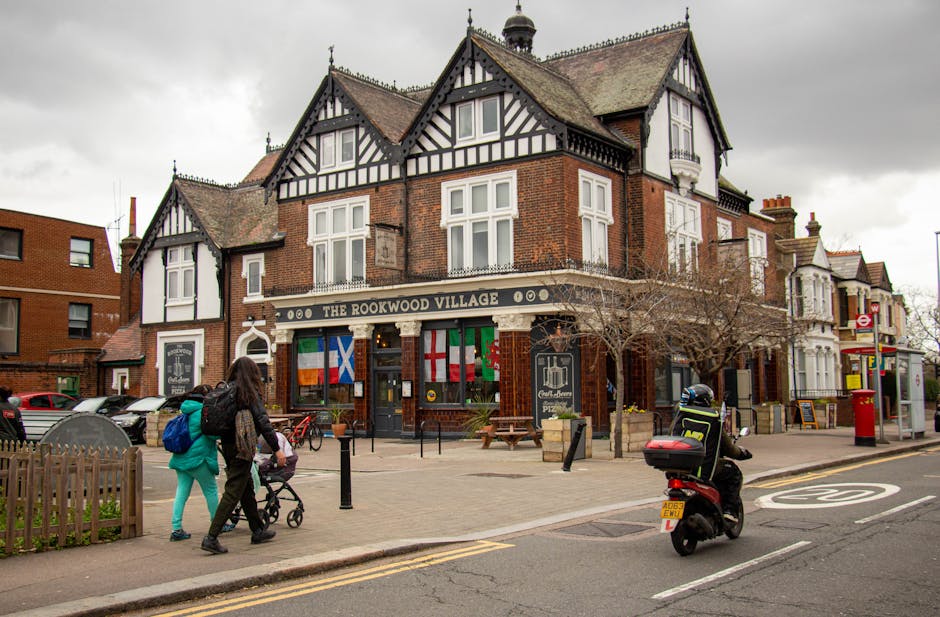
Teddington is a district in the London Borough of Richmond upon Thames, positioned on the north bank of the River Thames between Kingston upon Thames and Twickenham. Its setting is shaped by the river corridor, with riverside paths, locks and open spaces giving the area a distinctive relationship with water and landscape. Teddington Lock is one of the most recognisable points nearby, marking a change in the river’s character and drawing walkers, rowers and casual visitors to the waterfront. The district also includes a mix of residential streets, local shopping parades and civic buildings that reflect its long development from a riverside settlement into a suburban London community. Historic architecture is visible in several parts of the area, including older terraces and detached houses set among later housing, while the centre has a steady commercial and everyday character rather than the intensity of a major town centre. Bushy Park lies close by and adds an important open landscape element, with broad avenues, water features and deer park scenery contributing to the wider local environment. Teddington also has links to science and broadcasting history, especially through institutions such as the National Physical Laboratory and the former presence of BBC operations in the area. Together, the river, parkland, historic buildings and local streets create a place with a calm but well-connected identity within southwest London.
For customers arranging a move nearby, the main point is simple: the service can be shaped around the load and the route rather than forced into a one-size-fits-all pattern. That includes smaller household moves, furniture collections and office items that need careful transport. If you are comparing service levels, man and van removals is a useful middle ground, while removals gives a broader view of the full moving category. The right choice depends on what needs moving, how far it needs to go and how much handling it needs along the way.
If you already know the basics, the next step is easy: gather the item list, note any access details and ask for a quotation. For smaller or clearer jobs, the answer is often straightforward. For larger loads, a short discussion can help decide whether a single-vehicle move is enough or whether a fuller removals arrangement would suit you better. Either way, the emphasis stays on a practical, well-matched service rather than an oversized package.
Handling, access and the realities of loading
Good moving work depends on more than the vehicle. It also depends on how the load is lifted, carried and secured. A sensible van move takes into account staircases, narrow hallways, awkward corners, lift access, driveway space and where the vehicle can stop. These details affect timing and handling, so it is worth bringing them into the conversation early. The more precise the information, the easier it is to set up the right kind of support.
When items are large but manageable, the main question is whether they can be moved in one piece or whether they should be broken down first. That is especially relevant for wardrobes, beds, shelving and some office furniture. If dismantling or reassembly is required, say so clearly. Where more structured help is needed, the broader service family includes moving van and moving truck pages that help explain the difference between vehicle types and load sizes.
We try to keep the process realistic. A precise description of the job allows the move to be organised properly, but there is no need to overcomplicate it. Often the best quotations come from simple facts: what needs to move, where it is coming from, where it is going and what makes the access easy or difficult. That is enough to make the service useful without burying it in administration.
Price factors and how quotations are shaped

Quotations for this kind of work are usually influenced by the same practical factors: the number and size of items, the distance between addresses, parking arrangements, the amount of carrying involved and whether extra care is needed for awkward or delicate pieces. If you are moving a few items only, the discussion may be very brief. If the load is mixed or access is complicated, a slightly fuller description will help produce a more accurate price.
That is why our pricing information is set out separately. Some customers like to compare the service with a clear rate structure, while others just want enough context to decide what to move and when. You can review the available guidance on pricing and quotes before sending an enquiry. The aim is to make the quotation stage understandable without pretending that every move can be priced from a single general rule.
Send the essentials first: item list, pickup and drop-off points, any stair or lift access, and whether help is needed at both ends. If you already know the approximate time window, that can be useful too. Then ask for a quotation in plain terms. Short, accurate details usually lead to the most practical answer, and they keep the conversation focused on the move itself.
Useful related pages and service choices
Customers often start with the van service and then decide whether a related page gives a better match. That is normal, because not every move fits one label neatly. A house move may need broader removals support, while a smaller moving job can stay with a van and practical lifting help. The site structure reflects those choices, so it is sensible to compare the main categories before settling on a service. For a general introduction, man with van removal is a useful nearby option.
There are also pages for more general moving categories that can help when a job is not yet fully defined. removal company is a broad commercial reference, while removal companies and removals near me can help customers orient themselves when they are comparing types of mover rather than booking a fixed package. Those pages should be used as guides to service scope rather than as promises of a particular route or timetable.
At this stage, the simplest approach is still the best: work out whether the move is mainly about transport, broader removals help or a smaller collection task. Once that is clear, the next step is to request a quotation and match the service to the actual job. If the move is straightforward, the enquiry can stay brief; if it is mixed or awkward, a little more detail helps.
Arrange the right moving help
When people look for Man With Van Teddington, they usually want a practical answer rather than a long chain of options. That is exactly where this service works best. It suits furniture transport, small home moves, office items and other loads that need careful moving support without the overhead of a large removals setup. If the job is simple, the service stays simple too; if the job has extra steps, the quotation can reflect that.
If you are planning a move soon, use the information above to decide what kind of help fits best, then gather the basic details and ask for a price. You can keep it brief if the job is clear, or add a little more if there are access issues or fragile items. For a final comparison, the broader pages on house movers and man and van can help confirm the most suitable route for your load.
Ready to move forward? Request a quotation when you are ready, and choose the page that best matches your job if you want to compare options first. The service is designed to stay practical, adaptable and easy to discuss, so your move can be planned around the items that actually need to travel.