Dealing with bulky waste when moving in Teddington
Posted on 14/05/2026
Moving house has a way of making every heavy, awkward, forgotten item suddenly feel enormous. That old sofa in the corner. The fridge-freezer you meant to replace "next month" for the last two years. A mattress that barely fits around the landing, let alone down the stairs. If you are dealing with bulky waste when moving in Teddington, the challenge is not just getting rid of unwanted things; it is doing it safely, legally, and without turning moving day into a stressed-out scramble.
This guide walks you through the practical side of bulky waste removal during a move: what counts as bulky waste, how to plan ahead, which disposal routes make sense, and when it is smarter to bring in help. We will also cover common mistakes, local considerations, and a few real-world decisions that can save you time, money, and a lot of hassle. Truth be told, a well-planned move often comes down to the things you don't pack.
Why Dealing with bulky waste when moving in Teddington Matters
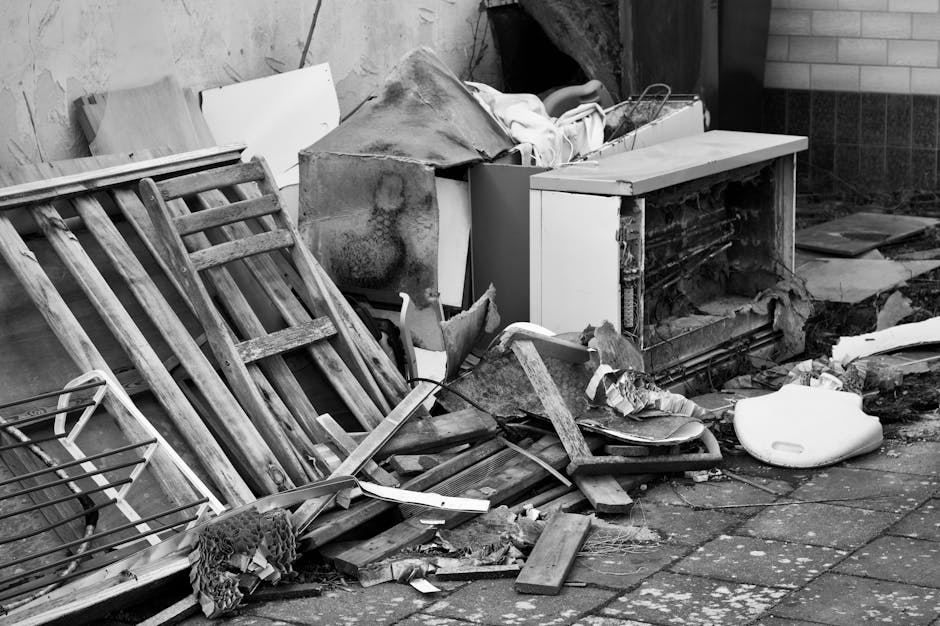
Bulky waste is one of those moving-day issues that looks manageable at first and then gets complicated very quickly. A single item can block a hallway, scratch walls, make loading awkward, or require two people when you only planned for one. In Teddington, where homes range from compact flats to family houses with narrow staircases and tight parking, bulky items can become the main obstacle in a move.
It matters for three big reasons. First, safety: lifting large furniture or appliances the wrong way can lead to slips, trapped fingers, back strain, or damage to the property. Second, timing: if bulky items are left until the last minute, they slow down packing, cleaning, and handover. Third, responsibility: not every item can simply be left out on the pavement or thrown into a random skip. Some items need special handling, particularly anything electrical, broken, or contaminated.
There is also a practical truth here. Moving costs often rise when bulky items are handled badly. You may need extra labour, additional vehicle space, or a second journey. Planning ahead keeps the whole move calmer. If you want a broader moving framework while you sort the large stuff out, our step-by-step guide to a peaceful house move is a useful companion read.
And let's face it, nobody wants to be carrying a wardrobe down the stairs while the kettle is already packed away. Not a great moment.
How Dealing with bulky waste when moving in Teddington Works
In practical terms, dealing with bulky waste is about deciding what should be kept, sold, donated, stored, moved, or disposed of. The process is simple to describe, but the decisions are what take the time. You usually start by identifying which items are too large, too worn, or too costly to move to the new property.
Typical bulky waste during a move includes sofas, wardrobes, mattresses, bed frames, white goods, broken shelving, exercise equipment, old TVs, desks, and office chairs. Sometimes it is less obvious: a heavy sideboard with no structural damage may still be bulky waste if it does not fit the new layout or the stairs are too awkward to manage.
The main disposal routes usually fall into a few categories:
- Reuse or resale if the item is still in decent condition.
- Donation if it meets the recipient's acceptance requirements.
- Storage if you are not ready to let it go yet.
- Collection or removal service if the item needs to be taken away.
- Responsible recycling if the item is beyond reuse.
For example, if you are moving a sofa that is still structurally sound but awkward to fit through a flat entrance, it may be worth comparing storage and removal options before deciding. Our guide on sofa storage tips for long-lasting integrity explains how to keep soft furnishings in better shape if you are not ready to part with them.
For larger furniture moves, support from a specialist service can save a lot of lifting and confusion. That is one reason many people look at furniture removals in Teddington rather than trying to manage all the oversized pieces alone.
Key Benefits and Practical Advantages
Handling bulky waste properly before moving day has a few clear benefits, and they are more than just "less clutter." The improvements show up in the whole move.
1. Faster packing and loading. Fewer unwanted items means fewer boxes, fewer trips, and less time spent trying to squeeze things into a van.
2. Lower risk of damage. Large objects often cause the real moving headaches: scratched paintwork, chipped corners, damaged flooring, or bent hinges. Clear the space, and the risks drop straight away.
3. Better access for the removal team. Clear hallways and rooms make a move more efficient. That matters especially in flats, maisonettes, and terraced properties where access can already be a bit fiddly.
4. Better use of money. If you know what is going and what is staying, you can choose the right size vehicle and the right level of help. No paying for a space-hogging item you meant to dispose of anyway.
5. A cleaner handover. Landlords, buyers, and estate agents usually expect the property to be left tidy. Bulky waste left behind can create awkward delays. A proper move-out cleaning approach helps the final result feel finished, not rushed.
There is also a quiet emotional benefit. When the bulky stuff is gone, the rest of the move tends to feel lighter. Less visual chaos, fewer decisions, less noise in the room. Small thing, big difference.
Who This Is For and When It Makes Sense
This kind of planning is useful for almost anyone moving in or out of Teddington, but it becomes especially important in a few common situations.
- Families moving house with old beds, wardrobes, toys, and mixed furniture that no longer fits the next property.
- Flat movers dealing with stairs, lifts, tight corners, or restricted access.
- Students or renters who need a quick, practical clean-out before a tenancy ends. If that sounds familiar, student removals in Teddington can be a useful option when time is tight.
- People downsizing who are moving into a smaller home and need to make hard choices about bulky furniture.
- Homeowners replacing appliances where the old item is too large, too heavy, or no longer worth keeping.
- Office or studio moves where desks, chairs, filing units, and broken equipment need to be cleared efficiently.
It also makes sense if you are moving on a deadline. Maybe the new tenants are due in by Friday. Maybe the keys are being handed over in the evening. Maybe the council collection window does not line up with your move date. That is where a same-day or flexible service can be useful, especially for last-minute clearing jobs. You can see how this fits alongside same-day removals in Teddington when time is really tight.
Sometimes the decision is straightforward. Sometimes it is not. If an item is expensive to replace but cheap enough to move, keep it. If it is damaged, cumbersome, and unlikely to suit the next home, let it go. Simple rule, but it saves a lot of second-guessing.
Step-by-Step Guidance
Here is a sensible way to tackle bulky waste during a move without ending up surrounded by half-dismantled furniture and a mild sense of doom.
- Walk through the property room by room. Make a list of every oversized item. Include furniture, white goods, garden pieces, and anything awkward to lift or dismantle.
- Sort each item into a decision. Keep, sell, donate, store, recycle, or remove. If you are wavering on an item, ask one practical question: would you pay to move this again?
- Check access before moving day. Measure doorways, stair turns, lifts, and hallway widths. A beautiful oak wardrobe means very little if it cannot physically turn the corner.
- Dismantle where safe and sensible. Beds, tables, and some shelving units can be broken down into smaller parts. For guidance on one of the most common items, our bed and mattress guide is worth a look.
- Prepare appliances properly. Defrost, unplug, and empty fridges or freezers well in advance. If you are dealing with old cold-storage items, the posts on freezer storage done right and proper storage techniques for unused freezers cover the details nicely.
- Protect your home while moving items out. Use blankets, corner guards, and floor protection if available. Large objects can do more damage to the building than to the item itself.
- Book the right support. If the item is heavy, valuable, or awkward, bring in experienced help. A service such as man with a van in Teddington is often the middle ground between a solo DIY move and a full-scale removals team.
- Finish with a final sweep. Once bulky items are out, check cupboards, loft spaces, sheds, and behind doors. You would be surprised what turns up at the last minute. Keys, cables, an old lamp, the lot.
A small but useful tip: keep the item list in your phone and update it in real time. It sounds basic, but it stops you revisiting the same decision three times while standing in the hallway.
Expert Tips for Better Results
Experience tends to show that bulky waste is easier to manage when you stop treating it as a last job and make it part of the move plan from the start. That shift alone changes everything.
Start earlier than you think you need to. Oversized items often take longer than expected because they need measuring, dismantling, lifting help, or a separate collection. Two weeks is better than two hours. A bit of breathing room is a gift.
Use the decluttering stage properly. If something has not been used in a year, is damaged, or no longer fits your home, you probably do not want to carry it into the next one. Our article on strategic decluttering for moving can help you make quicker decisions.
Don't underestimate lifting technique. A bulky item may be "just a sofa" until you need to pivot it through a landing. That is where sensible lifting posture, two-person coordination, and a steady pace matter. If you want a refresher, the pieces on lifting heavy objects with confidence and kinetic lifting are very practical.
Know when storage beats disposal. Sometimes the right move is not throwing an item away, but storing it until the new home is ready. That is especially true if you are between properties or waiting on renovations. A straightforward storage solution in Teddington can take the pressure off.
Book extra help for high-risk items. Pianos, heavy wardrobes, large freezers, and bulky corner sofas deserve more caution than a standard box-and-bag move. In fact, moving a piano is a classic case where professional handling makes more sense; our guide on why moving a piano is a task for pros, not amateurs explains why.
One more thing: if you are dealing with bulky waste in a flat, always think about the neighbours. Hallways, shared entrances, parking spaces, and lift access can all be disrupted by a long-moving item. A little courtesy goes a long way.
Common Mistakes to Avoid
Most bulky waste problems are not dramatic disasters. They are small planning errors that snowball. The good news? They are avoidable.
- Leaving bulky items until the final day. This is the big one. It creates stress, rushed decisions, and avoidable lifting risks.
- Not checking item dimensions. People often measure the furniture, but forget the door frame, stairwell, or bend in the corridor. That's the trap.
- Assuming everything can go in one vehicle. Large furniture, appliances, and packed boxes quickly eat up space.
- Forgetting to empty appliances. A freezer full of ice or a washing machine with water still inside is an obvious problem once you start moving it. Not fun.
- Mixing disposal with good furniture. If an item is reusable, don't accidentally damage it during a rough clear-out.
- Ignoring safety. Trying to lift something too heavy without gloves, help, or the right route is a classic "I'll just manage" moment that often ends badly.
- Using the wrong disposal route. Some items need recycling or specialist handling rather than a basic uplift.
A useful mental check is this: if the item needs three awkward turns, a step, and a heavy lift, it probably deserves more than casual treatment. No shame in that. Just reality.
Tools, Resources and Recommendations
You do not need a warehouse of equipment, but a few basic tools make bulky waste handling far less stressful.
- Measuring tape for doors, gaps, furniture dimensions, and van space.
- Work gloves to improve grip and reduce grazes.
- Furniture blankets and straps for protecting corners and keeping items stable in transit.
- Tools for dismantling such as screwdrivers, Allen keys, and a small labelled bag for fixings.
- Floor protection for hardwood, laminate, and carpeted areas.
- Marker pens and labels to identify which parts belong to which item after dismantling.
As for useful services, most people benefit from a combination of practical help and planning support. A broader services overview can help you see how moving, lifting, and disposal support fit together. If you are comparing options, the page on removal services in Teddington is a good starting point, especially if you are not sure how much help you actually need.
If your move involves a lot of boxes as well as bulky items, it is worth making the packing side easier too. The advice in packing hacks to make your house move a breeze and the local packing and boxes service in Teddington can save a few headaches.
One practical observation from real moving days: having the right bag of tools within reach can save twenty minutes of wandering about looking for a screwdriver. Small win, but it matters.
Law, Compliance, Standards, or Best Practice
When dealing with bulky waste, the safest approach is to follow sensible UK waste-handling practice and avoid informal dumping or careless disposal. You do not need to become a legal expert, but you should understand the basics.
Responsibility matters. If you hire someone to remove waste, it is wise to use a service that handles items responsibly and can explain what happens to reusable or recyclable materials. That includes separating waste where appropriate and not treating every item as landfill-bound by default.
Electrical items need care. Fridges, freezers, TVs, and similar goods should not simply be abandoned or mixed with general household rubbish. They often need special handling due to components and materials that should be processed properly. For extra peace of mind, many customers look at providers' recycling and sustainability approach before booking.
Safety standards are not optional. Manual handling, stair carries, and loading all carry risk. Using the right technique, proper equipment, and enough people for the job is standard good practice. If a piece feels unsafe to move, it probably is. Simple as that.
Property rules can apply too. Flats, managed buildings, and rented homes may have rules about lifts, communal areas, parking, or leaving rubbish outside. Check the building guidance before setting anything down in a shared entrance. It avoids awkward conversations later.
And while the exact details vary from one situation to another, the best principle stays the same: dispose of bulky waste in a way that is lawful, tidy, and considerate to others. That's the benchmark worth aiming for.
Options, Methods, or Comparison Table
If you are unsure which route to take, this comparison can help you weigh things up quickly. There is no single "best" method for every move; the right choice depends on the item, timing, and condition.
| Method | Best for | Pros | Watch-outs |
|---|---|---|---|
| Keep and move | Valuable or needed items | No replacement cost, less waste | Requires space, lifting, and careful handling |
| Donate or pass on | Usable furniture in good condition | Extends product life, reduces waste | Collection criteria may vary |
| Sell privately | Desirable items with resale value | May offset moving costs | Takes time, messaging, and collection coordination |
| Store temporarily | Items you may need later | Buys time, keeps options open | Ongoing storage cost |
| Book removal help | Large, heavy, or awkward items | Less physical strain, quicker clearance | Needs clear scope and timing |
| Recycle responsibly | Damaged or end-of-life items | Cleaner, more suitable than rough disposal | Some items need specialist handling |
If you are moving from a larger family home to a smaller flat, for example, you might use all six methods at once. Keep the dining table, donate the spare chair, sell the extra chest of drawers, store the seasonal gear, remove the broken freezer, and recycle the old mattress. That mix is very common, actually.
Case Study or Real-World Example
Here is a realistic example based on the sort of situation people often face in Teddington.
A couple moving from a terraced house near local high street amenities had four bulky items they no longer wanted: a two-seater sofa, an old fridge-freezer, a double bed frame, and a large corner shelving unit. They originally planned to "deal with it on the day," which, to be fair, is how plenty of moves start. But once they measured the stairs and saw how tight the landing was, it became obvious the shelving unit would need dismantling and the fridge-freezer would need proper preparation.
They split the job into stages. The sofa was checked for reuse, the bed frame was taken apart, the fridge-freezer was emptied and allowed time to defrost, and the shelving unit was dismantled before the main move. They used a combination of storage for one item they were undecided about and removal help for the rest. The result was a quicker loading process, less damage risk, and a much tidier property handover.
The key lesson was simple: once the bulky items were planned separately, the move felt manageable. Not easy, exactly, but manageable. And that is often the real goal.
If you are dealing with especially awkward appliances, the advice in freezer storage done right and proper storage techniques for unused freezers can prevent avoidable issues before the van even arrives.
Practical Checklist
Use this checklist in the final days before moving. It keeps the bulky bits under control.
- Walk through every room and list oversized items.
- Decide whether each item will be kept, sold, donated, stored, recycled, or removed.
- Measure the item and every doorway, stairwell, and corridor it must pass through.
- Check if any item needs dismantling before moving.
- Empty, defrost, and clean appliances well in advance.
- Gather gloves, tools, tape, labels, and floor protection.
- Confirm vehicle access and parking arrangements.
- Protect walls, floors, and corners during the carry-out.
- Book extra help for heavy, fragile, or awkward pieces.
- Recheck cupboards, sheds, lofts, and storage areas before leaving.
- Arrange any storage or removal services early, not at the last minute.
Quick takeaway: if a bulky item makes you hesitate, measure it, plan it, and don't leave it for moving morning. That tiny pause can save a whole lot of stress.
Conclusion
Dealing with bulky waste when moving in Teddington is really about making smart decisions before the pressure peaks. The more you sort early, the smoother everything becomes: loading, cleaning, access, transport, and the final handover. A move is always busy, but it does not need to feel chaotic.
Whether you are clearing a single sofa, a fridge-freezer, a mattress, or several large items from a whole property, the best approach is usually the same: assess honestly, measure carefully, and choose the disposal route that fits the item and the timetable. If something is too heavy, too awkward, or too time-sensitive to handle alone, bringing in professional support is often the most sensible move.
If you are still weighing up options, the pages on removals in Teddington, man and van support, and removal van hire can help you match the job to the right level of service. Sometimes that is all it takes to turn a messy job into a neat one.
Get a free quote today and see how much you can save.
And if nothing else, remember this: the fewer bulky surprises you leave for moving day, the more room you create for a calmer start in your new place. That matters more than people think.