Teddington High Street Moves: Narrow Road Removal Tips
Posted on 26/05/2026
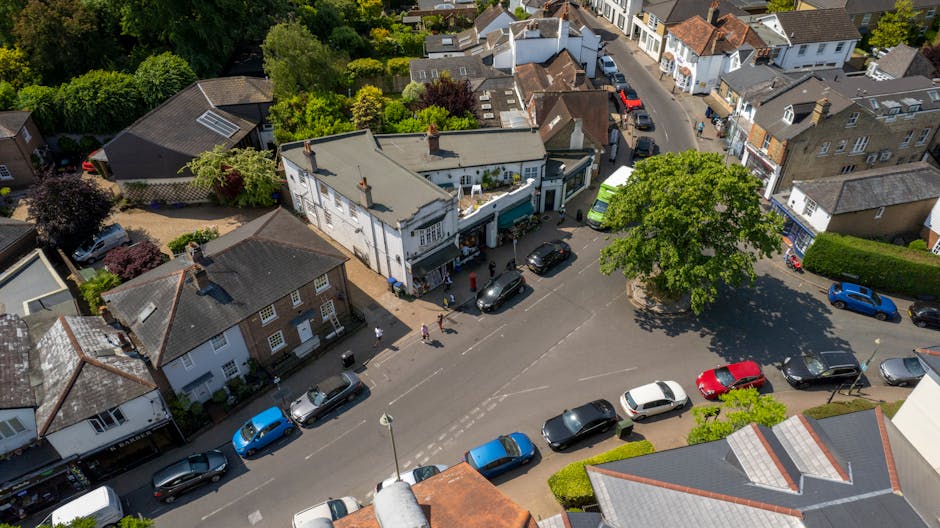
Moving on or near Teddington High Street can feel straightforward on paper and surprisingly awkward in practice. The roads are busy, parking is tight, pavements can be narrow, and one badly parked van can slow the whole day down. Add stairs, flats above shops, awkward corners, and a full house worth of furniture, and suddenly a "simple move" needs proper planning. That is exactly where Teddington High Street Moves: Narrow Road Removal Tips become useful.
This guide is written for anyone facing a local move in a constrained area: a flat above a shop, a family house on a tight street, a student move, or a last-minute delivery that needs careful timing. You will find practical advice on route planning, loading strategy, parking, packing, and the small decisions that make a big difference. There is no magic here. Just the kind of solid, real-world know-how that keeps a move calm instead of chaotic.
If you are also planning a full property move, it may help to read this alongside a step-by-step guide to a peaceful house move, plus a few practical packing ideas from the article on packing hacks that make a house move easier.
Why Teddington High Street Moves: Narrow Road Removal Tips Matters
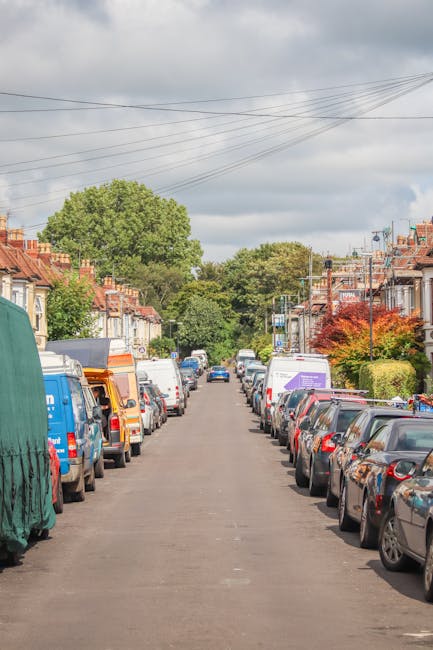
Narrow-road removals are a different job from wide-open suburban moves. On a street like Teddington High Street, the margin for error is smaller. There may be limited loading space, more foot traffic, busier traffic patterns, and fewer places to leave a van safely while items are carried in or out. One missed detail can lead to extra walking distance, longer handling time, or worse, damage to property and belongings.
That matters because removals are not just about transport. They are about access, timing, and control. A sofa that fits comfortably in a van can still become a problem if it has to be turned through a narrow doorway or carried down a cramped stairwell. A move that is technically local can still feel complex if the vehicle cannot park close enough to the entrance.
There is also the human side. Moves in tight streets are tiring. Repeated lifts, short carries, and constant stop-start movement quickly drain energy. The better the setup, the less likely you are to end up rushing near the end of the day, when mistakes usually happen. If you want a broader view of handling bulky items safely, this guide pairs well with the advice on lifting heavy objects safely and kinetic lifting techniques.
Practical takeaway: narrow-road moves are won before the van arrives. The better your planning, the easier everything feels on moving day.
How Teddington High Street Moves: Narrow Road Removal Tips Works
The basic principle is simple: reduce friction at every stage. In tight streets, that means shortening carry distance, reducing the size of loose loads, protecting walls and door frames, and choosing the right vehicle and arrival window. The actual move often works best as a sequence rather than a single event.
1. Assess access before anything is lifted
Check the width of the street, the availability of parking, whether there are height or width restrictions, and how far the van will sit from the property entrance. Look at the route from the front door to the vehicle. Are there tight turns? Steps? Raised kerbs? Shared hallways? These details matter more than people expect.
2. Match the vehicle to the street
A smaller removal vehicle is often easier to position in a tight area than a large truck. That does not always mean "smallest possible"; it means the vehicle should fit the street, the load, and the handling plan. A well-placed removal van in Teddington can save time simply by reducing how far items need to be carried.
3. Break the move into load categories
Heavy furniture, fragile boxes, awkward items, and quick-access essentials should not all be handled the same way. Grouping items logically helps the loading team move with a rhythm rather than improvising at the kerbside. That rhythm is what keeps a tight-space move efficient.
4. Use the street itself strategically
On narrow roads, the street layout can either help or hinder. If loading can happen from the safer side of the road, or closer to a side entrance, that may be better than forcing every item through the most obvious route. Sometimes the smartest move is not the shortest route; it is the least obstructed one.
5. Protect the property and the public space
For a narrow road move, protection is part of the process, not an afterthought. Floor coverings, door-frame protection, proper lifting technique, and careful stacking in the van all reduce risk. If the move involves a flat, the advice on moving beds and mattresses can be especially useful because those items are common troublemakers in tight stairwells.
Key Benefits and Practical Advantages
Getting the approach right is not just about avoiding damage. It changes the whole experience of the move. A narrow-road strategy delivers benefits that are easy to feel on the day.
- Less carry distance: fewer steps between the property and the van means less fatigue.
- Lower damage risk: careful access planning reduces scrapes, knocks, and dropped items.
- Better time control: fewer delays caused by parking problems or blocked access.
- Improved safety: clearer routes and better lifting practices reduce injury risk.
- Less stress: you are not improvising under pressure while the clock ticks.
- Cleaner execution: organised packing and loading make the whole day feel more professional.
There is also a quieter advantage: good planning gives you confidence. You know what is being moved, in what order, and why. That sense of control is worth a lot on a busy local street where things can otherwise feel a bit rushed.
For people planning a full household move, a coordinated approach often works best with house removals in Teddington or, where access is tighter, flat removals in Teddington. If storage is part of the plan, you may also want to explore storage options in Teddington.
Who This Is For and When It Makes Sense
This approach makes sense for anyone moving in a constrained local environment, but it is especially helpful in a few common scenarios.
Homeowners and renters on busy or narrow streets
If your property opens directly onto a road with limited parking or passing space, access planning becomes essential. You may have one chance to position the vehicle well, so the loading order and timing matter.
People moving from flats above shops or maisonettes
These properties often combine awkward staircases, shared entrances, and restricted kerb access. That is where a practical loading plan pays off. It is often simpler to remove bulky items first, then work through boxes, rather than mixing everything together.
Students and short-notice movers
Students often move in smaller loads, but the challenge can be speed and timing rather than sheer volume. If your schedule is tight, a local service such as student removals in Teddington or same-day removals may be the simplest route.
People with heavy or awkward furniture
Sofas, wardrobes, pianos, and large beds usually need extra care. If that sounds familiar, the service pages for furniture removals and piano removals are worth looking at, especially if you are judging whether specialist support is the safer choice.
Small businesses and offices near the high street
Office equipment, archived files, and desks can be surprisingly awkward in busy streets. A move that needs to happen outside core trading hours or with limited parking access benefits from a methodical approach and clear labelling. For that kind of job, office removals in Teddington are usually the better fit than a general-purpose uplift.
Step-by-Step Guidance
If you want a clean, low-drama move on or near Teddington High Street, use a sequence like this. It is not fancy, but it works.
Step 1: Map the access points
Walk the route from the front door to the van space. Measure, if needed, the widest and narrowest points you expect to use. Note any tight corners, low ceilings, steps, or obstacles like bins, railings, and planters. If anything looks borderline, assume it will be harder with a full-sized item in your hands.
Step 2: Clear the load before moving day
Declutter early. There is no point carrying unwanted items through a narrow stairwell. Donate, recycle, or dispose of what you no longer need. The article on strategic decluttering for moving is a good companion read here.
Step 3: Pack by priority and fragility
Use stronger boxes for heavier contents, and keep similar items together. Mark boxes clearly so that the essentials are easy to find. A well-labelled box in a tight move saves time because no one wants to open six identical cartons while standing on the pavement.
Step 4: Reserve the right vehicle and timing
Choose a vehicle that suits the road and the volume. Early starts are often useful in busy areas because they reduce the chance of traffic build-up and unpredictable parking pressure. That said, some locations are better served by a slightly later slot if access around the street improves. The "best" time is the one that works for your actual route, not the one that sounds ideal in theory.
Step 5: Load in the right order
Usually, the heaviest and sturdiest items go in first, with lighter and more fragile belongings secured afterwards. Use straps or blankets where needed so nothing shifts during transit. A load that is packed tightly but sensibly is easier to drive and unload safely.
Step 6: Protect contact points
Use door protectors, furniture covers, and floor runners if the route passes through finished interiors. This matters in narrow homes because every turn and doorway is a chance for a scuff. If you are moving a sofa, the advice in sofa storage and care can also help you avoid crushing or creasing the fabric before the move is even over.
Step 7: Unload to a plan, not to guesswork
Have a room-by-room plan ready. Place essentials first, then furniture, then boxes. The smoother the unload, the less likely you are to block hallways or create a pile-up in one room. It sounds obvious, but in the middle of a move obvious things are often the first to vanish.
Expert Tips for Better Results
These are the small adjustments that often separate a stressful move from a controlled one.
- Use shorter carry routes where possible. If a side gate or secondary entrance is available and safe, it may reduce congestion at the main door.
- Strip bulky items down first. Remove drawers, cushions, shelves, and loose fittings before moving heavy furniture.
- Keep one "do not load yet" zone. This prevents essentials from being buried in the first wave of boxes.
- Communicate the plan before lifting starts. A quick five-minute briefing saves a lot of confusion later.
- Check the weather. Rain on a narrow pavement makes every carry slower and more hazardous.
- Use proper lifting technique. Bend at the knees, keep the load close, and avoid twisting under weight.
If there is one expert habit worth copying, it is this: think two moves ahead. Not just the next box, but the box after that. That is what keeps the pace steady.
For awkward or particularly heavy lifts, it is worth reviewing practical handling advice like why piano moving is best left to professionals, even if your item is not a piano. The principle is the same: some loads need more than enthusiasm.

Common Mistakes to Avoid
Most narrow-road moving problems are predictable. That is the good news. If you know the common traps, you can usually dodge them.
Leaving parking decisions too late
Parking is not something to "sort out on the day" in a busy area. If the vehicle cannot stop near the property, the whole job becomes slower and more tiring. Even a short extra carry can compound across dozens of items.
Overpacking boxes
Heavy boxes are hard to lift, hard to carry on stairs, and easy to drop. A box that seems fine on the floor can feel very different halfway up a stairwell.
Ignoring awkward furniture dimensions
Measure sofas, mattresses, bed frames, and wardrobes before moving day. One unexpected angle at the front door can turn a simple carry into a long, uncomfortable puzzle.
Forgetting to declutter first
Bringing items you no longer want creates extra handling, extra loading time, and extra cost pressure. Fewer items usually means a cleaner move.
Assuming all lifting is manageable without support
There is no prize for pretending a two-person item can be solo-managed. If in doubt, ask for help. The practical guide on safe heavy lifting explains why this matters so much.
Not planning around access restrictions
Some properties, especially near busy local streets, require more care because of shared access, residents, or limited stopping space. If you need a general service rather than a DIY-style move, comparing man and van support with a full removal service in Teddington can help you choose the right level of help.
Tools, Resources and Recommendations
You do not need a warehouse of equipment to do this well. But a few sensible tools make narrow-road moves much easier.
| Tool / resource | Why it helps | Best used for |
|---|---|---|
| Furniture blankets | Protects finishes from knocks and scratches | Wardrobes, tables, sofas, appliances |
| Strong packing tape | Stops boxes opening mid-move | All packed items |
| Labels and markers | Speeds unloading and room placement | Box organisation |
| Furniture straps | Helps secure loads in transit | Heavy items and stacked boxes |
| Door and floor protection | Reduces damage in tight passages | Homes with narrow corridors or shared entrances |
| Trolley or sack truck | Lowers strain during repeated carries | Boxes, small appliances, dense loads |
For packing materials, a dedicated local option such as packing and boxes in Teddington can be a practical starting point. If items need to wait before moving day, a nearby storage solution may make the whole process less cramped.
If your move includes items that need special care in storage or transit, two useful reads are freezer storage done right and proper storage techniques for unused freezers. They are niche topics, but they illustrate a bigger point: the way you prepare an item before the move affects how well it survives the move.
Law, Compliance, Standards and Best Practice
For most household moves, the main compliance concerns are practical rather than legalistic. You still need to think carefully about where a van stops, how pedestrians are kept safe, and how lifting and carrying are managed. Local parking restrictions, access rules, and building policies can all affect what is possible on the day.
In a shared residential block or mixed-use high street setting, best practice usually includes the following:
- confirming access arrangements in advance
- respecting any building rules for loading bays, entrances, or lifts
- avoiding obstruction of pedestrian routes
- using appropriate manual handling methods
- protecting common areas from damage
- checking insurance and responsibility for any loss or damage
If you are hiring help, it is sensible to review a provider's policies and support documents before booking. Pages such as health and safety policy, insurance and safety information, and terms and conditions can help you understand what is covered and what to expect.
For peace of mind around business practices and service standards, you may also want to check the company's wider information pages such as about us, services overview, and pricing and quotes. That is not just due diligence; it helps you compare like with like.
Options, Methods and Comparison
For a narrow-road move, there are a few workable approaches. The right one depends on volume, access, and how much lifting you want to handle yourself.
| Approach | Best for | Pros | Trade-offs |
|---|---|---|---|
| DIY with hired vehicle | Small loads and low complexity | Lower direct cost, flexible timing | More effort, more risk if access is tight |
| Man and van | Medium-sized local moves | Practical, efficient, often quicker than DIY | May still require good access planning |
| Full removal service | Larger homes, heavy furniture, complex access | Less physical strain, more support and coordination | Usually higher cost than a smaller service |
| Same-day support | Urgent or last-minute moves | Fast response, useful in time-sensitive situations | Availability may be limited |
If your move is mainly furniture-heavy, a dedicated furniture removals service in Teddington may make more sense than a generic transport booking. If you are moving from a compact apartment, flat removals usually fits the problem better than broad-brush moving advice.
Case Study or Real-World Example
Imagine a two-bedroom flat near Teddington High Street with a narrow stairwell, a large sofa, a bed frame, a washing machine, and about thirty mixed boxes. The street has limited loading space, and there is regular passing traffic.
The move goes best if the team does not start with random items. Instead, they:
- position the vehicle as close as safely possible
- move the largest furniture first while the route is clear
- keep boxes grouped by room
- use blankets and straps for the sofa and bed parts
- reserve fragile items until the main furniture is already onboard
- unload in room order so the flat does not become a maze of cartons
That approach sounds simple, and it is. But simple is often what works. The move is faster because no one has to keep changing direction. It is safer because the heaviest items are handled with a plan. And it is calmer because everyone knows what happens next.
If the sofa or bed needs to be dismantled before the move, the relevant guides on sofa care and bed and mattress moving are practical references worth keeping open while you prepare.
Practical Checklist
Use this quick checklist to keep your move organised and to reduce the chance of last-minute surprises.
- Confirm the moving date and arrival window
- Check parking, stopping, and access conditions
- Measure the largest furniture items
- Declutter before packing
- Label boxes by room and priority
- Protect floors, doors, and delicate surfaces
- Break down removable furniture where possible
- Prepare a clear loading order
- Keep essentials separate and easy to reach
- Review insurance, terms, and service details
- Plan for weather, traffic, and pedestrian flow
- Confirm storage if you need it between properties
Useful reminder: the best narrow-road moves do not feel rushed. They feel prepared.
Conclusion
Moving on or near Teddington High Street does not have to be difficult, but it does demand a more thoughtful approach than a wide-open suburban move. The tighter the road, the more important it becomes to plan access, choose the right vehicle, pack properly, and handle furniture with care. When those pieces come together, the whole day runs more smoothly.
If you remember only one thing, make it this: narrow-road removals reward preparation more than speed. Measure first, pack smart, load in sequence, and do not leave access planning to chance. That is how you turn a potentially awkward move into something manageable.
If you would like help choosing the right level of support, review the local service pages, compare the options, and pick the approach that matches your property and your timeline. A good move is rarely about doing more. It is about doing the right things in the right order.
Get a free quote today and see how much you can save.